
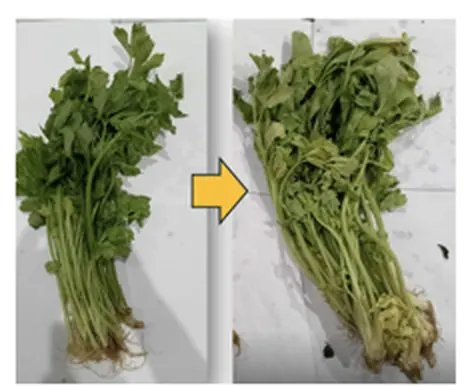
 Day 0 → day 10
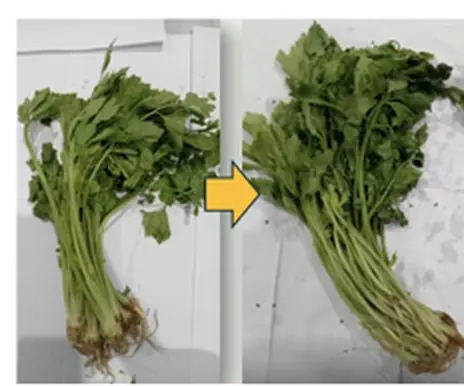 Day 0 → day 10
In-house trial · CHON Chemical
Celery: fresh for 10 days
In our in-house trial, treated celery stayed green through the 10-day hold, while the untreated bunch yellowed.
Post-harvest solutions · Vegetables & herbs
FreshTrap is a 1-MCP sachet, synthesised and verified in Thailand by CHON Chemical, that holds back the ethylene signal behind yellowing and wilting when it is sealed in with leafy greens and herbs in a carton, cold room or container. In our in-house trial, celery stayed fresh for 10 days; results depend on the crop and on storage conditions.
Using 1-MCP for vegetables and herbs helps some leafy crops more than others. Whether it pays on your crop and your route is something a monitored trial on your own produce can show.
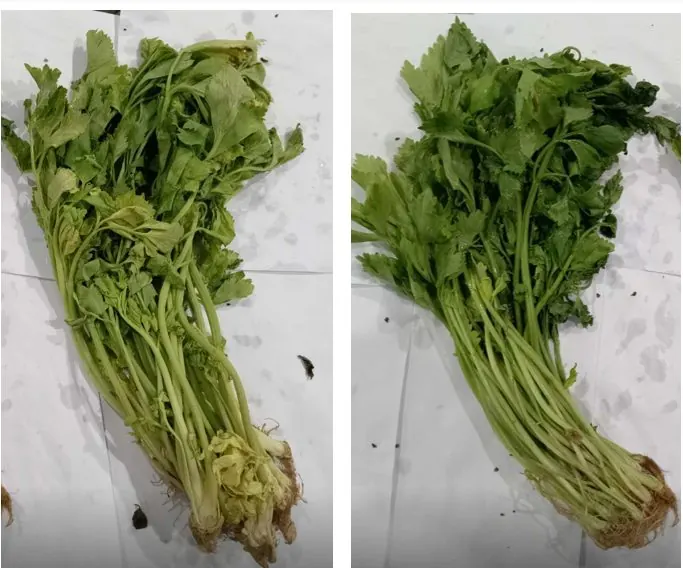
In-house trial · celeryfresh for 10 days
12–24 hourssealed in a carton, cold room or container
The science in three steps
Moistened, the FreshTrap sachet releases a tiny dose of 1-MCP gas that occupies the plant's ethylene receptors, so the ripening signal is held back.
Leaves yellow and herbs wilt because ethylene binds a receptor in the plant tissue and switches on the ripening signal. That ethylene can come from the produce itself or from the air around it.
A mist of water frees the gas from its α-cyclodextrin carrier. The sealed carton, cold room or container keeps it with the produce.
1-MCP binds the ethylene receptor about 10 times more strongly than ethylene itself (Blankenship & Dole 2003), so the signal is held back whether the ethylene comes from the leaves or from the air.
1-MCP delays; it does not stop. Plants gradually form new receptors (Hu et al. 2017), so the effect of treatment wears off with time. It is also not an ethylene absorber: 1-MCP blocks the response to ethylene; absorbers (KMnO₄ sachets) remove ethylene from the air; ripening agents (ethephon) add it. The full explainer is on what 1-MCP is.
In-house trial · CHON Chemical
Same crop, same storage, same day, side by side.
In our in-house trial, celery stayed fresh for 10 days. We ran the leafy greens below the same way: one lot treated with FreshTrap, one left untreated, both photographed from day 0. These are trials on our own produce, not on yours. Published research on leafy vegetables is mixed (see below).
Day 0 → day 10Day 0 → day 10In-house trial · CHON Chemical
In our in-house trial, treated celery stayed green through the 10-day hold, while the untreated bunch yellowed.
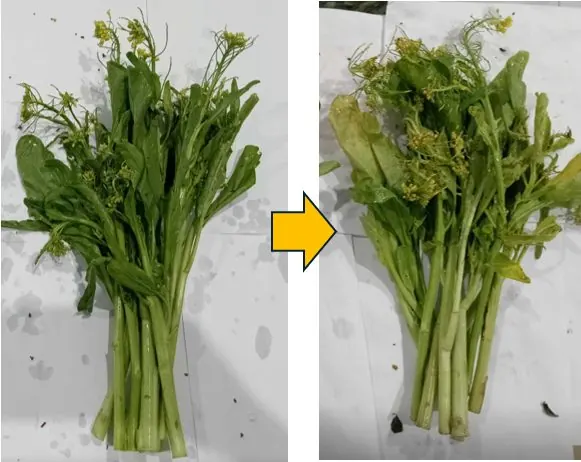 Day 0 → end of hold
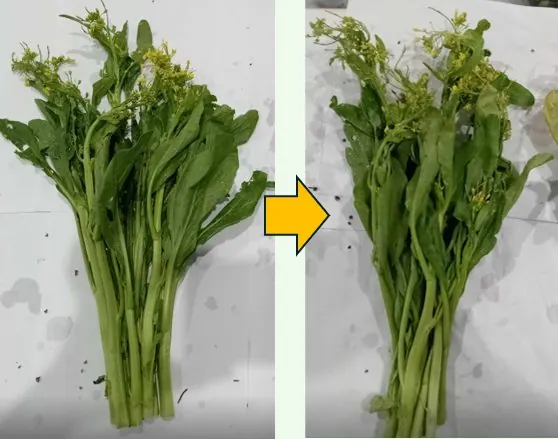 Day 0 → end of hold
In-house trial · CHON Chemical
In our in-house trial, photographed from day 0: the untreated bunch yellowed, the treated bunch stayed green.
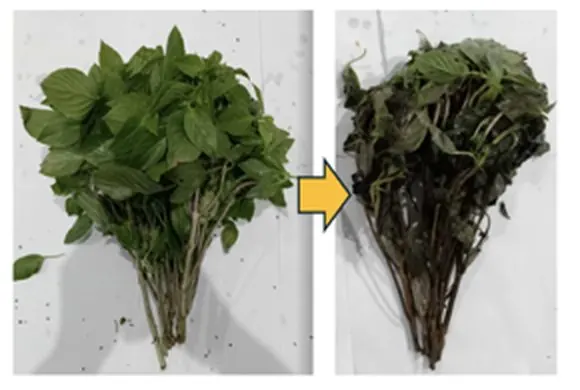 Day 0 → day 10
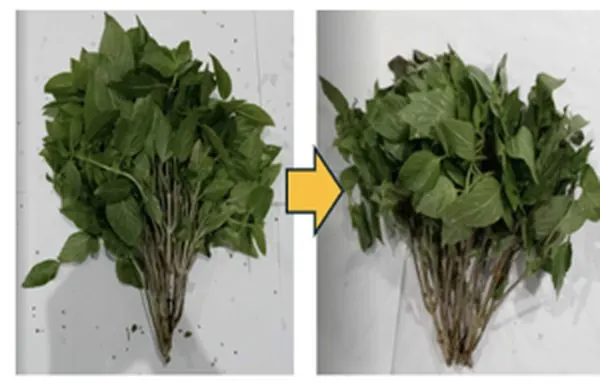 Day 0 → day 10
In-house trial · CHON Chemical
In our in-house trial, treated holy basil kept its green leaves through the 10-day hold, while the untreated bunch darkened and wilted.
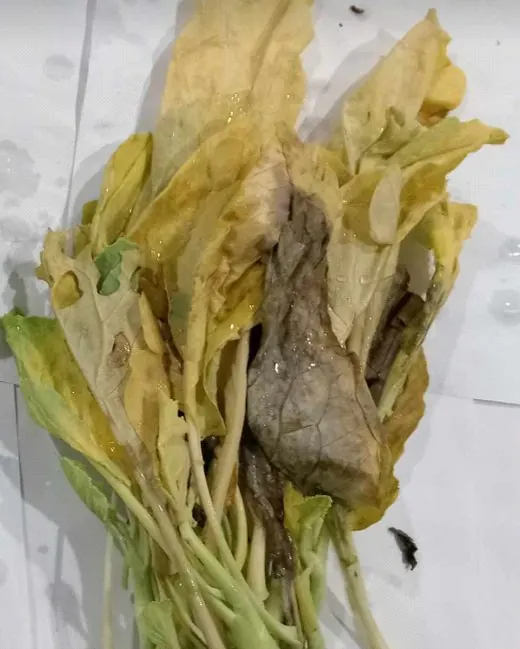
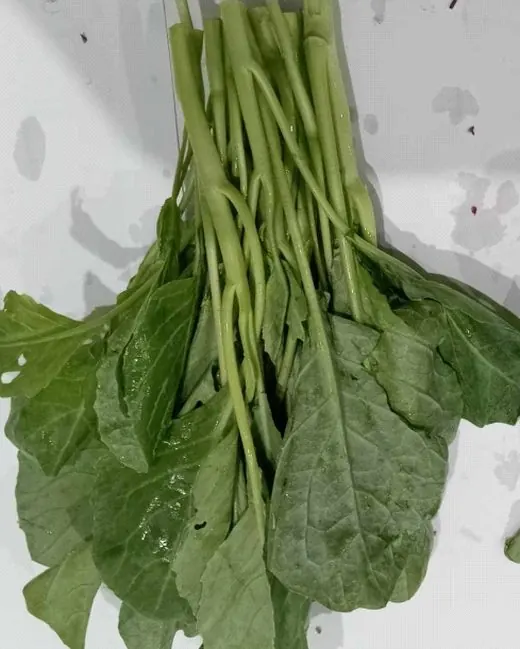
In-house trial · CHON Chemical
In our in-house trial, the untreated bunch had turned yellow by the end of the hold; the FreshTrap-treated bunch was still green.
Control and treated lots stored under the same conditions and photographed from day 0.
Published research on 1-MCP — not FreshTrap results
The published record for leafy vegetables is mixed. That is why we state our vegetable results as in-house and conditional, and why we suggest a trial before you order.
For leafy and other non-fruit vegetables, the benefit of 1-MCP often shows only when the produce is under stress, such as warm temperatures or ethylene from outside (Watkins 2008).
Published research on 1-MCP, not FreshTrap results — Watkins 2008, HortScience 43:86–94
In a study on Chinese cabbage, 1-MCP gave no gain in shelf life (Porter et al. 2005). A leafy crop can simply fail to respond, so a result on one crop is not a promise for the next.
What this means for you. If your greens and herbs travel or wait in the heat, or share a truck or a cold room with ripening fruit, which gives off ethylene, those are the conditions in which published research suggests the effect is most likely to show. If they go straight into a steady cold chain on their own, the gain may be small. Either way, the answer for your crop comes from a side-by-side trial, not from a table.
Directions in brief
Dose, concentration, format and method are tailored to your container size and journey time, so this page carries no sachets-per-carton figure. The full method and handling notes are on how to use FreshTrap, and the product itself on the FreshTrap page.
Who it is for
Made for commercial use in enclosed spaces: the carton, the cold room, the container.
Cartons
Leafy greens and herbs in export cartons, sealed in with a sachet for 12–24 hours before they leave.
Packing line
Treat at the packing table, carton by carton, as part of the line you already run.
Retail
Greens and herbs treated in the carton on their way to the store. Whether it pays on your lines is what a trial shows.
Parcels
Produce that spends 2–3 days in a parcel: seal a sachet in with it before the parcel leaves.
Tablet · powder
Whole-room and whole-container treatment with the tablet and powder formats, on request.
Limits
Read these before you order.
The greens and herbs in our trial cards above are the ones we have trialled ourselves, and results depend on the crop and on storage conditions. For any other vegetable or herb, the answer is a trial on your own produce.
1-MCP delays yellowing and wilting rather than stopping them: plants gradually form new receptors, so the effect of treatment wears off with time (Hu et al. 2017).
Published research on 1-MCP, not FreshTrap results — Hu et al. 2017, BioResources 12(1):2234–2248
1-MCP slows ageing but does not control decay (Watkins 2006). Temperature, hygiene and careful handling matter as much as before; the treatment adds to them rather than replacing them.
Published research on 1-MCP, not FreshTrap results — Watkins 2006, Biotechnol. Adv. 24:389–409
An open crate, an open shelf or a room with the door left open will not hold the gas. If your cartons have vent holes, talk to us before you treat and we will set the method with you.
Regulation and safety
Registration with Thailand's Department of Agriculture is in progress.
FreshTrap's 1-MCP is synthesised in Thailand by CHON Chemical. The active ingredient, 1-MCP, is registered by the US EPA in other companies' products; FreshTrap is not EPA-registered. EU approval of 1-MCP as an active substance runs to 31 July 2034 (Reg. (EU) 2019/1085).
1-MCP is not permitted in USDA-certified organic handling; if you sell under another organic certification, check with that certifier.
More on safety and regulation.
Post-harvest solutions
Each crop page keeps our own trials and published research apart.
Published research on 1-MCP and a trial invitation.
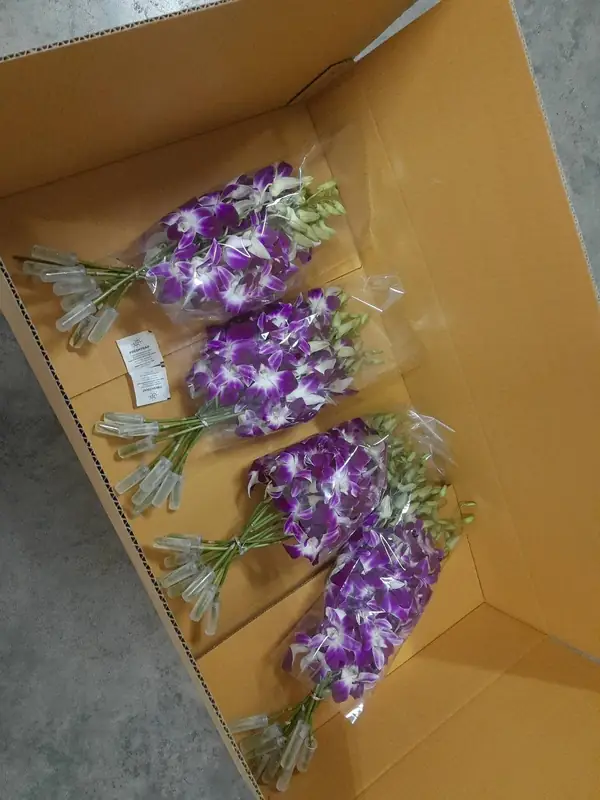
Cut orchids are where 1-MCP is already in established commercial use in Thailand.
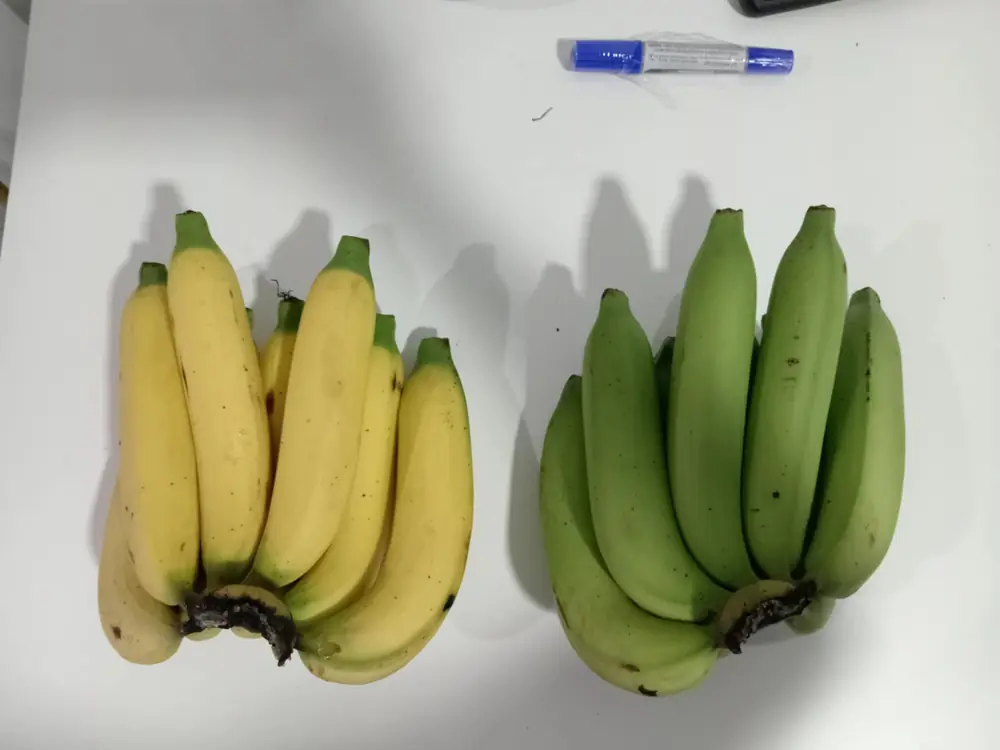
Published research, our own in-house trial and the uneven-ripening caution.
By crop and by business, and which crops do not respond.
Next step
Same crop, same storage, same day, side by side.
Request a trial on your crop Request samples Request a quote
Tell us what you grow or ship, how it is packed and how long it travels, whether that is a carton, a parcel or a whole cold room. We will tell you whether a trial makes sense for your crop.
Published research on 1-MCP — not FreshTrap results. Regulatory lines describe the active ingredient 1-MCP, not FreshTrap.
Blankenship & Dole (2003). Postharvest Biology and Technology 28:1–25. doi:10.1016/S0925-5214(02)00246-6 — 1-MCP binds the receptor about 10× more strongly than ethylene; review.
Hu et al. (2017). BioResources 12(1):2234–2248 — plants form new receptors over time; the effect is a delay (review). bioresources.cnr.ncsu.edu
Watkins (2008). HortScience 43:86–94. doi:10.21273/HORTSCI.43.1.86 — the dose must delay ripening, not block it; leafy vegetables often benefit only under heat or ethylene stress.
Porter K., Collins G., Klieber A. (2005). Journal of the Science of Food and Agriculture 85:293–296. doi:10.1002/jsfa.1955 — Chinese cabbage: no shelf-life gain.
Watkins (2006). Biotechnology Advances 24:389–409. doi:10.1016/j.biotechadv.2006.01.005 — review: 1-MCP slows senescence but does not control decay.
US EPA. 1-Methylcyclopropene pesticide fact sheet (PC code 224459), 2009 revision — first registered April 1999; enclosed spaces; low toxicity. www3.epa.gov
40 CFR §180.1220 — 1-methylcyclopropene; exemption from the requirement of a tolerance (US residue exemption, 2002). law.cornell.edu
Commission Implementing Regulation (EU) 2019/1085 — EU approval of 1-MCP as an active substance to 31 July 2034. eur-lex.europa.eu
FAO/WHO Codex Alimentarius pesticide index (checked 26 September 2026) — no Codex MRL for 1-MCP. fao.org
USDA AMS, petitioned substance 1-methylcyclopropene — not permitted in USDA-certified organic handling. ams.usda.gov
